Pages

Showing posts with label sciatica. Show all posts

Tuesday, October 16, 2018

Take Control of Your Pain with the McKenzie Method

When pain becomes so severe that it impedes or obstructs your life – and the quality thereof – it is time to take decisive action. For some of us, our backs hurt so much that it is virtually impossible to get out of bed. Others might experience a burning, stabbing pain in the legs from sciatica, which – aside from being deeply unpleasant – can severely reduce mobility. Still some people are affected by a throbbing, aching pain in elbow and knee joints, which often results in losing practical limb function for stretches of time. Indeed, if we are unable to simply get out of bed, walk from one place to another or achieve simple movements with our arms and legs, we are in a situation in which pain is utterly controlling, dominating and possibly even ruining our lives. Wouldn’t it be nice if there were a way to take back control of our pain – and therefore our lives – with an innovative and credible therapy that has a remarkable track record of success? 

Thankfully this isn’t a pipe dream – it’s called the McKenzie Method of Mechanical Diagnosis and Therapy. It takes its name from its inventor, New Zealand Physiotherapist Robin McKenzie and it has been successfully used as an interactive way to treat, neck, spinal and extremity pain for more than 30 years throughout the world. Our McKenzie Method therapists at the Mount Sinai Department of Rehabilitation Medicine are trained to assess and diagnose our patients musculoskeletal systems to locate and subsequently treat any pain issues in or around joints and/or muscles.


Prospective patients who believe that the McKenzie Method might be a viable option to help them mitigate and hopefully eliminate their pain symptoms will begin with an initial assessment with one of our therapists. No expensive and potentially intimidating tests like an MRI are generally required. All we’ll want to do is conduct a safe and reliable screening of your musculoskeletal system by testing the mechanics of your body and seeing its responses to various positions and movements.

If our McKenzie Method clinicians believe this treatment is for you, you will be classified into one of three syndromes:

·     Posture Syndrome – When normal soft tissue becomes painful due to prolonged postural stress.
·     Dysfunction Syndrome – When pain is caused by mechanical deformation of structurally impaired soft tissue, usually from scarring or adaptively shortened tissue.
·     Derangement Syndrome – The most common classification and refers to pain caused by a disturbance in the normal resting position of joint surfaces. 
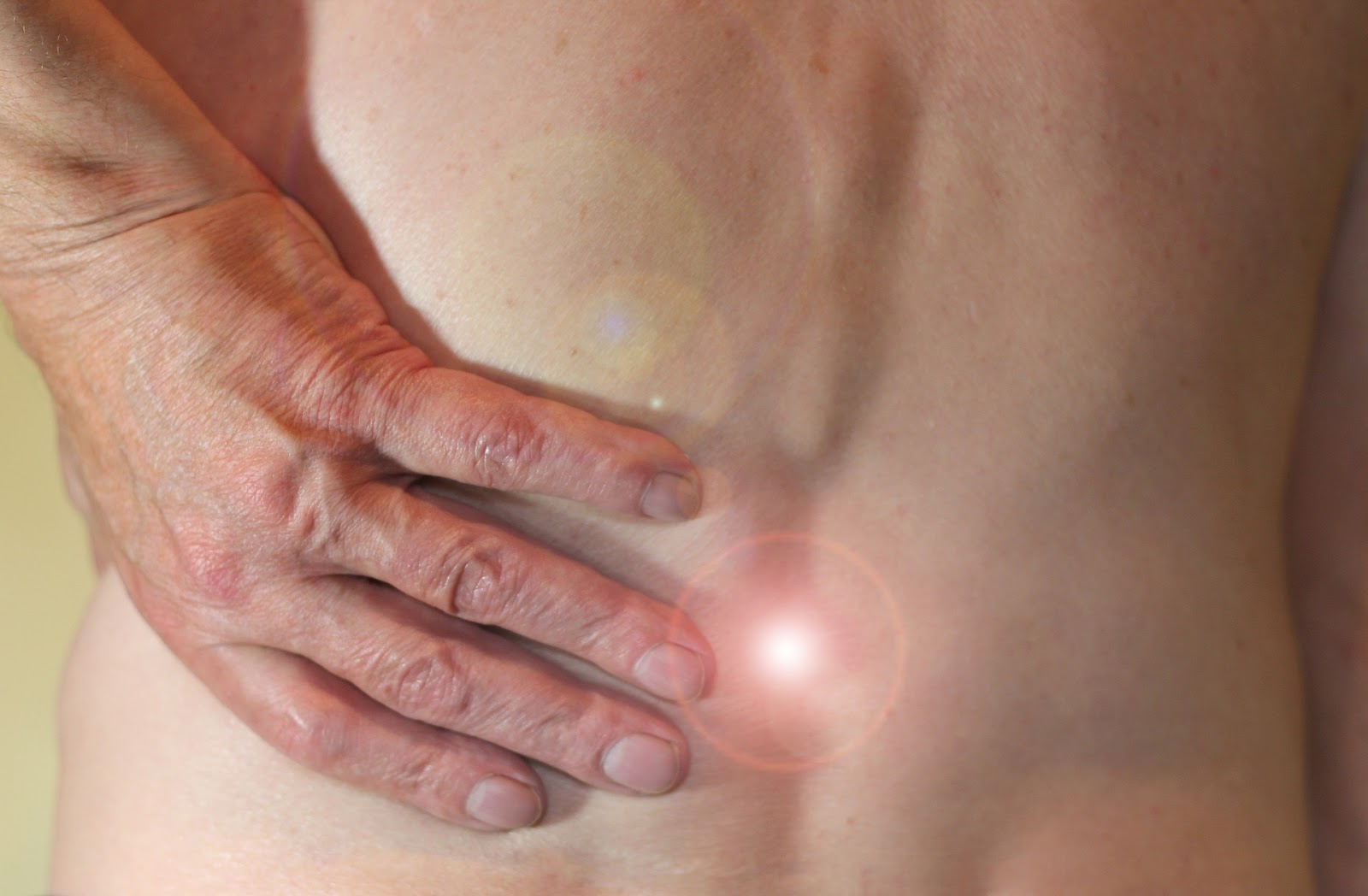


Based on your classification, Mount Sinai’s McKenzie Method therapists will tailor a treatment plans specifically for you that will involve a range of safe and effective exercises to do with your therapist at one of our Mount Sinai locations and some others for you to do on your own at home that will quickly set you on your way to a life of which you are in control, with less pain and greater bodily mobility and function. 

If you suffer from sciatica, arthritis or shooting pain in your shoulders, upper arms, hips or buttocks, intermittent pins and needles or numbness in your feet or hands, aching elbows or knees or you have difficulty bending down as a result of a stiff and painful lower back, the McKenzie Method might just be the treatment you have been looking for.

If you any of the pains or symptoms mentioned in this blog are similar to the ones you are experiencing, get in touch with us at (212) 241-6321 to see if the McKenzie Method is right for you.


Friday, October 27, 2017

Laminectomy, The Surgical Response to Sciatica


Laminectomy, the surgical response to sciatica
Sciatica is a symptom of spine damage that can usually be remedied at home. There are a myriad of steps you can take in tending to sciatica without needing surgery. However, in some cases patients need to undergo surgery to alleviate their symptoms. This procedure removes the lamina (a small vertebra in the spine), it may also remove bone spurs in your spine and takes anywhere between 1 and 3 hours. This process has the aim of reducing pressure in your spinal column; in turn lessening the symptoms of sciatica. 
The procedure is often done to treat spinal stenosis. It removes damaged bones or discs. As we explored in last week’s blog, sciatica is a symptom, and not a cause – and the best way to cure sciatica is to tackle the underlying problem. 
It is important to have an x-ray or MRI of your spine before making any decisions to undergo surgery. You must divulge any medication you are taking to your health provider.
Before you leave your home, ensure you leave it prepared for when you return. You must refrain from smoking in the days leading up to your surgery. It is imperative you do not smoke after the surgery is complete. You must speak with your doctor if you have been drinking lots of alcohol, especially if your consumption could be considered alcohol abuse. 
You will likely be asked to not drink or eat anything for 6 – 12 hours before the procedure. With everything prepared, you are ready undergo your Laminectomy. 
Laminectomy opens your spinal column with the aim of giving spinal nerves more space to move. You will be asleep and feel no pain. The procedure begins with you lying face down on the operating table. Once the anaesthetic kicks in, the surgeon makes an incision in your back.
The skin, muscles, and ligaments are moved to the side. Depending on the cause of sciatica, part or all of the lamina bones may be removed on both sides of your spine. Your surgeon may then remove small disc fragments, bone spurs, or other soft tissues. The muscles and other tissues are back in place. The skin is sewn together.

After waking, you will be encouraged to get up and walk around as soon as the anaesthesia wears off. You will be allowed to go home around 1 to 3 days after their surgery.

You will be able to drive within a week and resume light work after around 4 weeks. The surgery should relieve the patient of all symptoms of sciatica due to addressing the root cause of the problem.

As we have stressed in previous blogs, surgical procedure is not recommended as a treatment for sciatica – it should be a last resort and not a go-to when the symptoms of sciatica kick in. Before thinking about surgery, you should consult your physician and discuss options. Alternatively, you can read our blogs on living with sciatica found here.

Sciatica usually goes away on its own if you follow our guidelines. However, if you need a consultation, or are suffering from any of the symptoms outlined at the end of the article, please contact us on (212) 241-6321 to book an appointment.

How to Deal With Sciatica, The Do’s and Don’ts


How to deal with sciatica, the do’s and don’ts

This week, we are going to look at ways of managing sciatica. In our previous blog we looked at what sciatica is, and suggested some causes of the problem. To quickly recap, sciatica is the compression of the sciatic nerve – which in turn causes pain down the lower back, through the hamstring all the way to the foot. What is most important to remember when dealing with sciatica, is that is a symptom, and not the underlying problem itself.

The first step when dealing with sciatica is diagnosing the underlying issue. The root of the problem can be anything from a slipped disc in the spine, to a spinal stenosis, or in more serious cases, a tumor. It could even come from a small fracture in the hip. Although we can treat sciatica without dealing with the genesis of the problem, you are more likely to experience a reoccurrence of sciatic pain if we do not.

We recommend that if you suffer from sciatica, get a diagnosis on what caused it. That way we can deal with the pain alongside remedying the original problem, and reduces the chances of it reoccurring.

For now, let’s look at some of Mount Sinai’s recommendations for dealing with sciatica at home.

Conservative (non-surgical) treatment is best in most cases. When you are suffering from sciatica, or begin suffering due to some other cause, apply heat or ice to the painful area. Try the ice first (48-72hrs); then use heat on the pain. Over the counter pain relievers such as ibuprofen or acetaminophen can also help with inflammation and general pain relief.

Surprisingly to a lot of patients, bed rest is not recommended. Although short term bed rest may be needed for patients in extreme pain, staying inactive and reclined for long periods of time weakens the body and extend the life of agonizing symptoms.

Upon first suffering the symptoms of sciatica, it is recommended to tone down your physical activity for the first few days, and gradually work your way back to your daily routine.

You should reduce your activity in the first couple of days – and gradually adjust your body to your usual activities. This will ensure you do not overstress any of the damaged components, and give your body time to adapt.

Patients are recommended to start exercising again after around 2-3 weeks. You should include exercises to strengthen your abdominal muscles and improve flexibility in your spine.

If weightlifting or contact (collision) sports such as American Football are part of your usual exercise routine, you should not return to your sport/hobby for at least 6 weeks since the pain began. Do not lift heavy objects or twist your back. Your physician can help identify good exercises to remedy sciatica.

More serious complications depend on the causes of sciatica, such as slipped discs or spinal stenosis. Call a provider immediately if you have:

·        Unexplained fever with back pain

·        Back pain after a severe blow or fall

·        Redness or swelling on the back or spine

·        Pain traveling down your legs below the knee

·        Weakness or numbness in your buttocks, thigh, leg, or pelvis

·        Burning with urination or blood in your urine

·        Pain that is worse when you lie down, or awakens you at night

·        Severe pain and you cannot get comfortable

·        Loss of control of urine or stool (incontinence)

Also call if:

·        You have been losing weight unintentionally (not on purpose)

·        You use steroids or intravenous drugs

·        You have had back pain before, but this episode is different and feels worse

·        This episode of back pain has lasted longer than 4 weeks


Sciatica usually goes away on its own if you follow our guidelines. However, if you need a consultation, or are suffering from any of the symptoms outlined at the end of the article, please contact us on (212) 241-6321 to book an appointment.

Thursday, October 5, 2017

Causes and manifestations of sciatica

Sciatica is the name given to any sort of pain caused by irritation or compression of the sciatic nerve. The sciatic nerve stems from the back of your pelvis, and runs through your buttocks, down the legs, and ends at your feet. It is the longest and widest nerve in the human body. It supplies sensation to most of the muscles and ligaments in the lower body – this ranges from the hamstring all the way to the sole of the foot.


When the sciatic nerve is compressed or irritated it can cause pain, numbness, or a tingling sensation that radiates from your lower back and travels down one of your legs to your foot and toes. Some sufferers also report a weakness in the calf muscles or the muscles that move the foot and ankle. Sciatica can range from being extremely painful to a mild annoyance, usually exaggerated by sneezing, coughing – or any involuntary or sudden movements. The pain of sciatica is localised in the lower body region, stemming from the top of your buttock downward, people also report suffering from back pain. Although this is most likely related to the problem, it will not be the sciatic nerve causing the pain.

Most cases of sciatica stem from a slipped disc. Injury or weakness can cause the inner portion of the disk to protrude through the outer ring. This is known as a slipped, herniated, or prolapsed disc. If the slipped disc compresses the sciatic nerve then we have sciatica. Most people with sciatica experience unrelated back pain. But a slipped disc is an injury in its own right; we should see sciatica as a result of this injury. We can summarise this as: Sciatica often occurs from a slipped disc; however, not all cases of sciatica are from slipped discs; and you can get sciatica without having a slipped disc. There are a myriad of ways a disc can slip. 

You can help prevent sciatica by adopting better posture and lifting techniques at work, stretching before and after exercises, and exercising regularly.

Although most cases of sciatica pass within 6 weeks, sciatica can become extremely dangerous. If you are experiencing a tingling or numbness between your legs and around your buttocks, and have recently lost bowel/bladder control, and have sciatica in both your legs – you must contact a physician immediately. Our physicians can confirm a diagnosis of sciatica based on your symptoms and recommend appropriate treatment.
If you are suffering from any of the symptoms listed, please contact us as it is important you speak to your physician as soon as possible. Contact our switchboard on: (212) 241-6321