Pages

Showing posts with label Back Pain. Show all posts

Tuesday, October 16, 2018

Take Control of Your Pain with the McKenzie Method

When pain becomes so severe that it impedes or obstructs your life – and the quality thereof – it is time to take decisive action. For some of us, our backs hurt so much that it is virtually impossible to get out of bed. Others might experience a burning, stabbing pain in the legs from sciatica, which – aside from being deeply unpleasant – can severely reduce mobility. Still some people are affected by a throbbing, aching pain in elbow and knee joints, which often results in losing practical limb function for stretches of time. Indeed, if we are unable to simply get out of bed, walk from one place to another or achieve simple movements with our arms and legs, we are in a situation in which pain is utterly controlling, dominating and possibly even ruining our lives. Wouldn’t it be nice if there were a way to take back control of our pain – and therefore our lives – with an innovative and credible therapy that has a remarkable track record of success? 

Thankfully this isn’t a pipe dream – it’s called the McKenzie Method of Mechanical Diagnosis and Therapy. It takes its name from its inventor, New Zealand Physiotherapist Robin McKenzie and it has been successfully used as an interactive way to treat, neck, spinal and extremity pain for more than 30 years throughout the world. Our McKenzie Method therapists at the Mount Sinai Department of Rehabilitation Medicine are trained to assess and diagnose our patients musculoskeletal systems to locate and subsequently treat any pain issues in or around joints and/or muscles.


Prospective patients who believe that the McKenzie Method might be a viable option to help them mitigate and hopefully eliminate their pain symptoms will begin with an initial assessment with one of our therapists. No expensive and potentially intimidating tests like an MRI are generally required. All we’ll want to do is conduct a safe and reliable screening of your musculoskeletal system by testing the mechanics of your body and seeing its responses to various positions and movements.

If our McKenzie Method clinicians believe this treatment is for you, you will be classified into one of three syndromes:

·     Posture Syndrome – When normal soft tissue becomes painful due to prolonged postural stress.
·     Dysfunction Syndrome – When pain is caused by mechanical deformation of structurally impaired soft tissue, usually from scarring or adaptively shortened tissue.
·     Derangement Syndrome – The most common classification and refers to pain caused by a disturbance in the normal resting position of joint surfaces. 
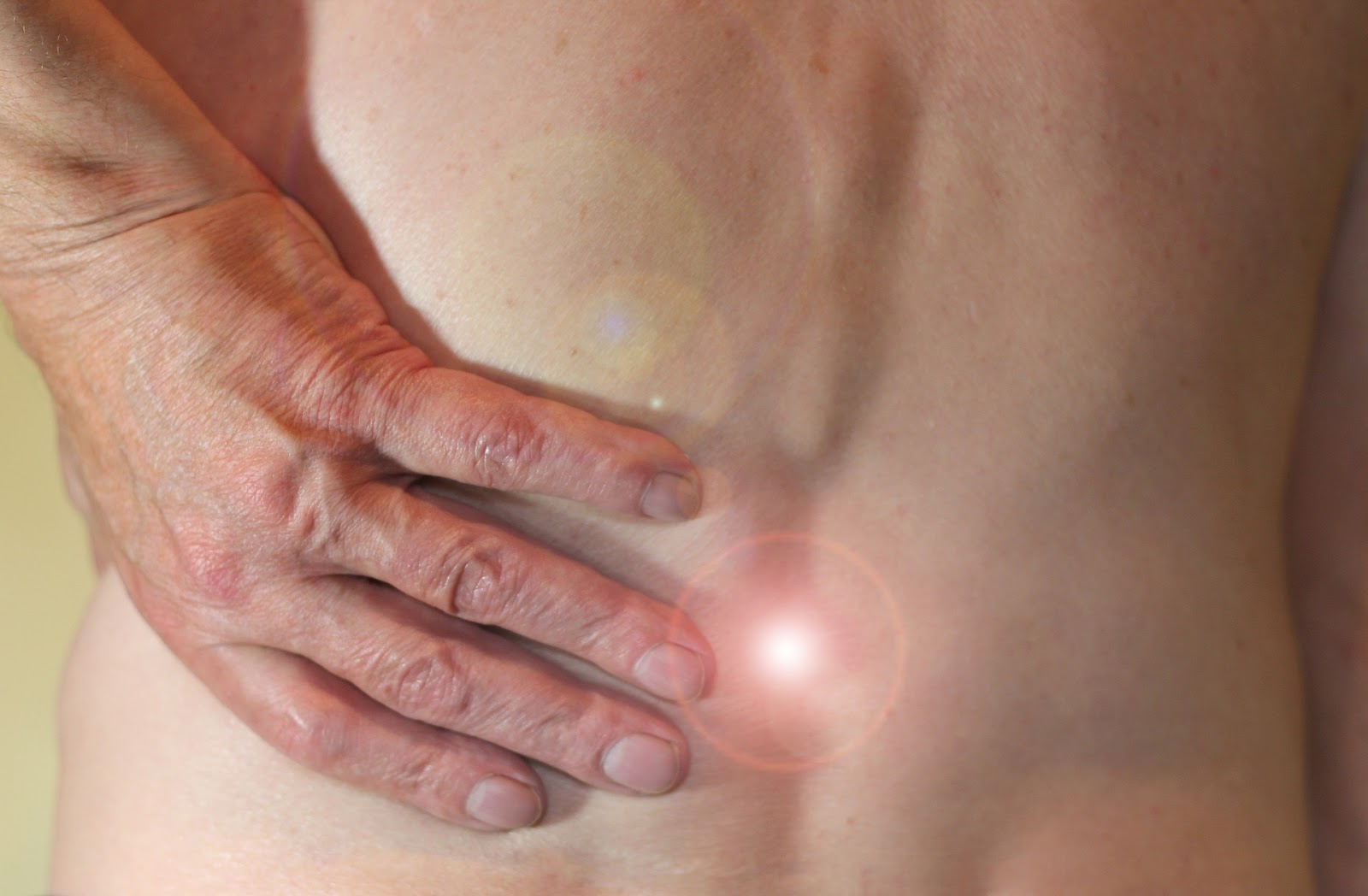


Based on your classification, Mount Sinai’s McKenzie Method therapists will tailor a treatment plans specifically for you that will involve a range of safe and effective exercises to do with your therapist at one of our Mount Sinai locations and some others for you to do on your own at home that will quickly set you on your way to a life of which you are in control, with less pain and greater bodily mobility and function. 

If you suffer from sciatica, arthritis or shooting pain in your shoulders, upper arms, hips or buttocks, intermittent pins and needles or numbness in your feet or hands, aching elbows or knees or you have difficulty bending down as a result of a stiff and painful lower back, the McKenzie Method might just be the treatment you have been looking for.

If you any of the pains or symptoms mentioned in this blog are similar to the ones you are experiencing, get in touch with us at (212) 241-6321 to see if the McKenzie Method is right for you.


Thursday, March 22, 2018

Frequent Injuries in Baseball


Most Common Injuries in Baseball


For obvious reasons, baseball isn’t considered a high-risk sport like football or ice hockey – mostly because it isn’t a collision sport. Regardless, baseball brings its own risks. You are running, jumping, sliding (sometimes) and swinging a bat at a high velocity which puts you in danger of muscle strain, especially after long practice sessions. Consequently, baseball players frequently suffer from golf and tennis elbow – their ligaments are fatigued and deteriorating over time; and we haven’t even considered the risk of falling, collisions, and the danger associated with a hard ball flying at over 99m/h (albeit a generous estimate for most).


Types of Shoulder Pain


The most commonly overused muscle in baseball is the shoulder – usually during pitching. Shoulder tendonitis is common in young athletes who use overhead throws and the windmill pitch can cause a myriad of problems, especially when combined with poor form. Torn rotator cuffs can develop in the rotator cuff tendons and older players may begin experiencing Frozen Shoulder which reduces motion and causes pain in the shoulder joint. The shoulder can become unstable when combined with long periods of overhead throwing as the motion stretches the ligaments, leading to loose joints and sometimes dislocation. Finally, and possibly all pitchers’ worst nightmare is the Shoulder Separation – which is a traumatic injury that is a result of falling or colliding with a hard object with an outstretched hand.


Pain in the Elbow


Throughout the last couple of weeks, we outlined exactly what Tennis and Golfer’s Elbow was, and top ways of curing. We will go over it quickly now, but if you want a more in-depth guide, follow the links below.


Golfers Elbow and how to treat it – Click Here


Tennis Elbow and how to treat it – Click Here


PRICE Routine to help with minor sprains – Click Here


Tennis and Golfer’s Elbow are like two sides of the same coin. When the tendons in the arm are overloaded we often experience a dull pain on the outside of the forearm. Tennis Elbow denotes a pain felt due to overuse on the outside of the arm above the elbow whereas Golfer’s elbow is in a similar location but slightly under the elbow. Follow the links above to learn more.


Overloading the Spine


The human spine is a wonderous structure – we really couldn’t function without it. It transmits information from nerve endings all over the body through the central nervous system to the brain, and if that wasn’t enough, it is also the structure that keeps us standing up straight on two legs. It’s worth looking after your spine. Baseball poses a slight risk to the spine. Although admittedly it is a small risk – because the spine is so important – it is worth covering.


Catchers are prone to back injury during baseball due to the crouched position and overhead throwing. Some pitchers may also experience back damage especially when using the windmill pitch.


The most common damage sustained to the spine is muscle strains in the upper and lower back. This is usually dealt with rather simply by a physiotherapist or a sports massage (and rest). However, there is also a risk of a herniated disk which is when a disc in the spine ruptures and pinches surrounding nerves. This can be an agonizing experience. If you believe you have suffered from a herniated disc you should seek medical attention immediately. Even if it was only a small rupture, the damage could be exponentially augmenting each time you play – eventually leading to a severe hernia. As always, prevention is the best form of treatment.


If you have suffered from anything mentioned above and believe you could benefit from a rehab plan or require medical attention, please contact us at Mount Sinai Department of Rehabilitative Medicine for a bespoke rehab plan. We’ll get you back on the field ASAP. Contact our switchboard at (212) 241-6321


Wednesday, February 7, 2018

Tips from Coach Sinai – Drills to Prevent Musculoskeletal Disorder


When athletes compete on the world stage we know that their results are dependent on the work, discipline, and commitment they have dedicated “off the field”. We never see them practice, but we know they do. Minimizing sports injuries is just like this. It takes commitment when not in your sports gear to ensure your body is functioning in the best way possible when you are. Musculoskeletal disorder develops as a result of our habitual actions but has a severe impact during sporting activities. It is one of the leading causes of sporting injuries – and it is usually the result of seemingly unrelated facets of our lives, like our jobs (assuming our reader isn’t an Usain Bolt of the world). This week, continuing from last week’s preventative approach to physical health, we are going to outline how you can look after your body in the workplace to reduce the risk of a work-related musculoskeletal disorder.


Musculoskeletal Disorder

Musculoskeletal Disorders (MSDs) are injuries or pain in the body’s joints, muscles, ligaments, nerves, tendons and structures that support the spinal cord (from the upper neck down to the back). MSDs are distinguishable by their deep and dull pain, and numbness or stiffness in joints. Common conditions related to MSD include muscle strain in the neck, pinched nerve, carpal tunnel syndrome, and sprains. It can weaken our spine and supportive muscle groups which are then vulnerable when we engage in sport.


The Warm Up

Some injuries are the result of accidents and poor form during physical activities. Most injuries, however, are the result of or are worsened by, poor habits. That means that lifestyle is often the cause of serious sporting damage.


Experts at Mount Sinai’s Rehabilitation Center have identified that MSD is not necessarily the result of a sudden event but that it gradually develops over a period of time and is often aggravated in our work environment.


Some known factors of work-related MSD include:

·       Performing repetitive actions

·       Lack of physical movement

·       Poor body mechanics when lifting, bending or reaching

·       Poor posture at desks (such as computers and workstations)

Your Off-Pitch Coaching

The Mount Sinai team have compiled these top prevention tips to help avoid long-term problems during your work hours. By following these tips, you encourage a healthier lifestyle and minimise the risk of long-term damage during sports.

·       Take breaks during your day. This is important for people who work on their feet and those behind a monitor all day – ensure you rest your body from repetitive strain or ensure your body has time to move around.

·       Incorporate stretching and movement into whatever you do. Your body is like an engine – and stretching it is like keeping it well-oiled.

·       Practice good posture. Avoid slouching and bending in awkward positions. Always lift heavy objects with a straight and stiff back and avoid straining the neck by resting your phone between your ear and your shoulder.

·       Reduce repetitive or prolonged activities regularly. If this is impossible, then look for time to allow those muscles to rest.

·       Adjust your work area so to reduce awkward bending and stretching. If you are bleeding a radiator make sure your tools are near or don’t strain yourself trying to drag a pen with your foot.


It seems unintuitive that seemingly unrelated activities can have such a major effect on our part-time sporting careers, but they do. Reclaim your health by following these tips and ensure you do not create the musculoskeletal conditions that subsequently lead to serious damage.


If you have suffered a sports-related injury or would like to discuss a bespoke plan for dealing with MSD, please contact us at Mount Sinai Department of Rehabilitative Medicine. Contact our switchboard at: (212) 241-6321


Sunday, January 21, 2018

Spinal Cord Injury. Introducing Thomas N Bryce


Recovering from spinal cord injuries is a complex process as they can be the result of serious localized trauma or lifestyle habits. That is why it is helpful to have a professional by your side while you undergo recovery. Thomas N Bryce, our leader in Spinal Cord Medicine at the Department of Rehabilitative medicine, has been a part of our team here at Mount Sinai since 1997 and could be the answer to your problem.


Dr Thomas Bryce has an impressive academic record. Prior to joining us, he completed his undergraduate degree from Albany Medical College and received speciality training at Thomas Jefferson University Hospital. He is a leader in the field, being the principal investigator of several ongoing studies in these areas and “wrote the book” (quite literally) on spinal cord injuries having authored numerous chapters and peer-reviewed articles on the subject.


Dr Bryce’s research is focused on assessing residing pain after spine damage, use of robotic exoskeletons to facilitate walking, and stem cell implantations for neurological recovery. He has been involved in several international taskforces with the aim to reduce pain after spinal cord surgery.


He is currently Governor Cuomo to the New York State Spinal Cord Research Board. Dr Bryce’s method is intersectional. He works closely with physical therapists, occupational therapists, neuropsychologists, and other surgical specialists to provide bespoke comprehensive care.

Dr Bryce understands the intricacies that are involved in recovering from spinal cord injury.


A bespoke plan can be constructed to suit anyone’s individual needs when going through this difficult period. Spine damage can be the result of hard trauma or lifestyle or a mix of both. Dr. Bryce can accommodate plans that involve difficult lifestyle changes. This includes both long-term habitual corrections, such as posture to post-surgery rehab.


If you have suffered a sports-related injury, please contact us at Mount Sinai Department of Rehabilitative Medicine for a bespoke rehab plan. Contact our switchboard on: (212) 241-6321


Monday, January 8, 2018

Changes to Your Daily Routine That Will Change Your Life


This week, with our committment to your health, we bring you ways in which you can avoid spinal cord damage and subsequent back pain. Severe spinal cord damage stems from mundane and seemingly trivial aspects in our lives. Although one of the strongest parts of the body, the lower back is incredibly susceptible to damage. Twisting, poor posture, and repetitive strain all leads to its gradual deterioration – so, with this in mind - let’s undergo a quick lower-back health workshop: how can you avoid spinal damage?

Posture

This is the easiest to fix in the short term, but one of the hardest in the long term. Before we go into why that is (and how we should sit), let’s explain why our posture can have such a strain on the spine. The spine is multiply-curved back-to-front in an S shape to allow greater weight bearing and shock resisting capacities. Slouching when sitting, and poor posture when standing puts a strain on parts of the back that were not designed to take pressure. In the long-term, this leads to deterioration of the spine and can cause severe spine pain.


This issue is addressed by sitting upright: pull your shoulders back and sit in an upright position – and you’re already on-the-mend. What makes this an awkward issue to address in the long term is that the way you sit (and stand) is habitual; and it will take consistent minor corrections to achieve good posture.

Exercising the Lower Back

Working on your core once a week will have noticeable effects on your spine’s health. Strengthening your intercostal and surrounding muscles will help balance your spine and make it easier to lessen strain on your back. This will reduce strain on the lower back. Low-impact exercise like walking can also help increase blood flow to the lower back, activating and strengthening the area. If exercising seems like an impossibility, then take to whatever you can. Do not remain idle, get yourself moving somehow.


Daily Health Routines

Drink more water. Stop smoking. Reduce alcohol intake.

For most of us, these trivial pointers are always at the back of our minds. But why should we care when it comes to spine health? The spine health’s reflects the overall health of the body. Anything you can do to improve your overall fitness and well-being will benefit you lumbar. The benefits of drinking water are lengthy, and we won’t go into that here (however it is probably more poignant to mention the disadvantages of not drinking water), smoking will reduce oxygen absorption from the surrounding muscles and reduce muscular-capacity of surrounding muscles, putting more strain on the spine, and finally, excessive alcohol consumption has a serious detrimental effect on the entire
body, including the brain, the spine, the nervous system – and everything in-between.


Our End Goal

Where possible, one should attempt a synergy of all three aspects for optimized results. Thankfully, once you have started it only gets easier. Strengthening the core and activating the lower back will make the habitual process of maintaining a good posture easier, and maintaining a good posture will make strengthening the core easier. Following our dietary tips will speed along both of these processes.

Our end goal should be as follows: our hips should be above our feet – hip above knees – shoulders above hip – head above shoulders. When this is achieved unconsciously, you will have strengthened one of the most important areas of your body.

If this routine does not help, or you need medical attention, please contact us at Mount Sinai Department of Rehabilitative Medicine. Contact our switchboard on: (212) 241-6321

Friday, October 27, 2017

Laminectomy, The Surgical Response to Sciatica


Laminectomy, the surgical response to sciatica
Sciatica is a symptom of spine damage that can usually be remedied at home. There are a myriad of steps you can take in tending to sciatica without needing surgery. However, in some cases patients need to undergo surgery to alleviate their symptoms. This procedure removes the lamina (a small vertebra in the spine), it may also remove bone spurs in your spine and takes anywhere between 1 and 3 hours. This process has the aim of reducing pressure in your spinal column; in turn lessening the symptoms of sciatica. 
The procedure is often done to treat spinal stenosis. It removes damaged bones or discs. As we explored in last week’s blog, sciatica is a symptom, and not a cause – and the best way to cure sciatica is to tackle the underlying problem. 
It is important to have an x-ray or MRI of your spine before making any decisions to undergo surgery. You must divulge any medication you are taking to your health provider.
Before you leave your home, ensure you leave it prepared for when you return. You must refrain from smoking in the days leading up to your surgery. It is imperative you do not smoke after the surgery is complete. You must speak with your doctor if you have been drinking lots of alcohol, especially if your consumption could be considered alcohol abuse. 
You will likely be asked to not drink or eat anything for 6 – 12 hours before the procedure. With everything prepared, you are ready undergo your Laminectomy. 
Laminectomy opens your spinal column with the aim of giving spinal nerves more space to move. You will be asleep and feel no pain. The procedure begins with you lying face down on the operating table. Once the anaesthetic kicks in, the surgeon makes an incision in your back.
The skin, muscles, and ligaments are moved to the side. Depending on the cause of sciatica, part or all of the lamina bones may be removed on both sides of your spine. Your surgeon may then remove small disc fragments, bone spurs, or other soft tissues. The muscles and other tissues are back in place. The skin is sewn together.

After waking, you will be encouraged to get up and walk around as soon as the anaesthesia wears off. You will be allowed to go home around 1 to 3 days after their surgery.

You will be able to drive within a week and resume light work after around 4 weeks. The surgery should relieve the patient of all symptoms of sciatica due to addressing the root cause of the problem.

As we have stressed in previous blogs, surgical procedure is not recommended as a treatment for sciatica – it should be a last resort and not a go-to when the symptoms of sciatica kick in. Before thinking about surgery, you should consult your physician and discuss options. Alternatively, you can read our blogs on living with sciatica found here.

Sciatica usually goes away on its own if you follow our guidelines. However, if you need a consultation, or are suffering from any of the symptoms outlined at the end of the article, please contact us on (212) 241-6321 to book an appointment.

How to Deal With Sciatica, The Do’s and Don’ts


How to deal with sciatica, the do’s and don’ts

This week, we are going to look at ways of managing sciatica. In our previous blog we looked at what sciatica is, and suggested some causes of the problem. To quickly recap, sciatica is the compression of the sciatic nerve – which in turn causes pain down the lower back, through the hamstring all the way to the foot. What is most important to remember when dealing with sciatica, is that is a symptom, and not the underlying problem itself.

The first step when dealing with sciatica is diagnosing the underlying issue. The root of the problem can be anything from a slipped disc in the spine, to a spinal stenosis, or in more serious cases, a tumor. It could even come from a small fracture in the hip. Although we can treat sciatica without dealing with the genesis of the problem, you are more likely to experience a reoccurrence of sciatic pain if we do not.

We recommend that if you suffer from sciatica, get a diagnosis on what caused it. That way we can deal with the pain alongside remedying the original problem, and reduces the chances of it reoccurring.

For now, let’s look at some of Mount Sinai’s recommendations for dealing with sciatica at home.

Conservative (non-surgical) treatment is best in most cases. When you are suffering from sciatica, or begin suffering due to some other cause, apply heat or ice to the painful area. Try the ice first (48-72hrs); then use heat on the pain. Over the counter pain relievers such as ibuprofen or acetaminophen can also help with inflammation and general pain relief.

Surprisingly to a lot of patients, bed rest is not recommended. Although short term bed rest may be needed for patients in extreme pain, staying inactive and reclined for long periods of time weakens the body and extend the life of agonizing symptoms.

Upon first suffering the symptoms of sciatica, it is recommended to tone down your physical activity for the first few days, and gradually work your way back to your daily routine.

You should reduce your activity in the first couple of days – and gradually adjust your body to your usual activities. This will ensure you do not overstress any of the damaged components, and give your body time to adapt.

Patients are recommended to start exercising again after around 2-3 weeks. You should include exercises to strengthen your abdominal muscles and improve flexibility in your spine.

If weightlifting or contact (collision) sports such as American Football are part of your usual exercise routine, you should not return to your sport/hobby for at least 6 weeks since the pain began. Do not lift heavy objects or twist your back. Your physician can help identify good exercises to remedy sciatica.

More serious complications depend on the causes of sciatica, such as slipped discs or spinal stenosis. Call a provider immediately if you have:

·        Unexplained fever with back pain

·        Back pain after a severe blow or fall

·        Redness or swelling on the back or spine

·        Pain traveling down your legs below the knee

·        Weakness or numbness in your buttocks, thigh, leg, or pelvis

·        Burning with urination or blood in your urine

·        Pain that is worse when you lie down, or awakens you at night

·        Severe pain and you cannot get comfortable

·        Loss of control of urine or stool (incontinence)

Also call if:

·        You have been losing weight unintentionally (not on purpose)

·        You use steroids or intravenous drugs

·        You have had back pain before, but this episode is different and feels worse

·        This episode of back pain has lasted longer than 4 weeks


Sciatica usually goes away on its own if you follow our guidelines. However, if you need a consultation, or are suffering from any of the symptoms outlined at the end of the article, please contact us on (212) 241-6321 to book an appointment.

Thursday, October 5, 2017

Causes and manifestations of sciatica

Sciatica is the name given to any sort of pain caused by irritation or compression of the sciatic nerve. The sciatic nerve stems from the back of your pelvis, and runs through your buttocks, down the legs, and ends at your feet. It is the longest and widest nerve in the human body. It supplies sensation to most of the muscles and ligaments in the lower body – this ranges from the hamstring all the way to the sole of the foot.


When the sciatic nerve is compressed or irritated it can cause pain, numbness, or a tingling sensation that radiates from your lower back and travels down one of your legs to your foot and toes. Some sufferers also report a weakness in the calf muscles or the muscles that move the foot and ankle. Sciatica can range from being extremely painful to a mild annoyance, usually exaggerated by sneezing, coughing – or any involuntary or sudden movements. The pain of sciatica is localised in the lower body region, stemming from the top of your buttock downward, people also report suffering from back pain. Although this is most likely related to the problem, it will not be the sciatic nerve causing the pain.

Most cases of sciatica stem from a slipped disc. Injury or weakness can cause the inner portion of the disk to protrude through the outer ring. This is known as a slipped, herniated, or prolapsed disc. If the slipped disc compresses the sciatic nerve then we have sciatica. Most people with sciatica experience unrelated back pain. But a slipped disc is an injury in its own right; we should see sciatica as a result of this injury. We can summarise this as: Sciatica often occurs from a slipped disc; however, not all cases of sciatica are from slipped discs; and you can get sciatica without having a slipped disc. There are a myriad of ways a disc can slip. 

You can help prevent sciatica by adopting better posture and lifting techniques at work, stretching before and after exercises, and exercising regularly.

Although most cases of sciatica pass within 6 weeks, sciatica can become extremely dangerous. If you are experiencing a tingling or numbness between your legs and around your buttocks, and have recently lost bowel/bladder control, and have sciatica in both your legs – you must contact a physician immediately. Our physicians can confirm a diagnosis of sciatica based on your symptoms and recommend appropriate treatment.
If you are suffering from any of the symptoms listed, please contact us as it is important you speak to your physician as soon as possible. Contact our switchboard on: (212) 241-6321


Tuesday, September 26, 2017

Introducing Parag Sheth


Introducing Parag Sheth – Mount Sinai’s Carpal Syndrome Tunnel Expert
This month, with our continued aim of ensuring our patients know and trust our physicians, Mount Sinai presents to you our long-standing Assistant Professor of rehabilitation medicine, Dr Parag Sheth. Dr Sheth holds a certification in Physical Medicine and Rehabilitation; his specialisation lies in Carpal Tunnel Syndrome (CTS).
Dr Sheth’s expertise is grounded in his rich and varied academic career. Beginning his studies receiving honors at Johns Hopkins University, Dr Sheth moved on to study at Stony Brook School of Medicine, and subsequently held the position of Chief Resident at St. Vincent’s Medical Center’s Rehabilitation Residency Program. Dr Sheth is now a fellow of The Mayo Clinic, where he specialised in Musculoskeletal Rehabilitation; and he has been with us at Mount Sinai for over 20 years. During his time practicing with us, Dr Sheth has always gone beyond the call-of-duty to ensure patient satisfaction.
CTS, Dr Sheth’s specialization, manifest itself as a tingling, numbness and sometimes pain in the hand and fingers. This is caused by a compression of the median nerve, which controls sensation and movement in the hand. It can sometimes be hard to identify as the symptoms are common and often go unchecked. Dr Sheth is renowned for his ability to exercise expert judgement on patient’s symptoms, but always communicates in way understandable to the patient; we believe this to be paramount to a patient’s happiness. Dr Sheth has often been praised for his ability to listen carefully, and explain the process of treatment and aftercare in a concise and easy to follow way; this has made him a patient favorite. 
His clinical focus also extends to: back pain, electrodiagnostic testing, epidural steroid injections, herniated disk, knee pain, low back pain, shoulder pain, neck pain, and spine stimulation.
Outside of his professional career with us, Dr Sheth also teaches a yearly cadaveric dissection and weekly musculoskeletal lectures where he has been awarded the Avital Fast Award and the Department Teacher of the Year award. His research has been published in Nature, Lancet, and The American Journal of Sports Medicine. 
Dr Sheth is “Board Certified” and accepts insurance plans. For more details on appointment availabilities and plan coverages, please contact our call center at: (212) 241-6321.

Thursday, April 27, 2017

Degenerative Spinal Conditions


As we get older there is an increased risk of spinal injuries occurring, resulting from natural wear and tear of the bones and joints over time. Sometimes this causes minor discomfort that disappears with time or over-the-counter medicines but occasionally the results can be more severe.


Acute Disc Herniation

Also known as a slipped disc, acute disc herniation (ADH) occurs when one of the intervertebral discs (pads of cartilage between each spinal vertebra which provide shock absorption and spinal mobility) moves out of place. ADH can occur anywhere along the spine but is usually in the lower back. It can cause severe pain in the back and legs if the disc slips so that it is pressing against the spinal column. It can also produce neural symptoms, including tingling, numbness, and weakness in the limbs.


ADH can often be treated with rest and anti-inflammatory medications. Physical therapy may be used to gently introduce movement and extension back into the spine, however, if symptoms don't improve then surgery may be necessary to fix the problem. A microdisectomy, where the herniated portion of the disc is removed, leaving the undamaged section intact, may be sufficient. However, in cases of repeat occurrences or very severe herniations it may be necessary to remove the whole disc and fuse together the vertebrae from above and below it.

Spinal Stenosis

Spinal problems can also arise as a result of an abnormal narrowing of the canal through which the spinal nerves run. Most often this condition develops with age and becomes significant in a person's 50s, though occasionally it can be congenital. As the canal begins to compress the spinal cord and nerves it will cause a radiating pain, numbness, and weakness. If the canal narrowing occurs in the lower back then it will cause sciatica-like symptoms in the legs and buttocks, while if it occurs nearer to the neck symptoms can be more severe, with a risk of paralysis. Spinal stenosis rarely occurs in the thorax as the middle back is the most stable and strong area, allowing for minimal movement.


In many cases the symptoms of spinal stenosis can be relieved with medications however, if symptoms persist to an extent where the patient can no longer perform everyday tasks decompression surgery may be considered. This involves removing a section of bone in order to relieve pressure on the spinal cord.


Our doctors treat both conditions, at all levels of severity. if you require help with spinal pain call 212-241-6335 to book a consultation.

Thursday, April 20, 2017

Our Tips for Reducing Back Pain

 Back pain can be debilitating and leave one feeling like they cannot do everyday activities. Before seeking surgical solutions, there are a range of activities that may help alleviate the pain, and get you back to moving as normal.


Pain Relief – As a first port of call, and as a short-term solution pain killers can reduce suffering. To counteract swelling and inflammation cold packs can be beneficial while hot packs work to lessen tension, cramping and muscle spasms.

Manual Therapy – This method involves a therapist using their hands to massage, gently move, and apply careful force to the muscles, bones and joints of the spine. This removes tension in the muscles and encourages them to relax though it will only be effective if used alongside other measures, such as those listed here.

Exercise and Stretches – Traditional thinking is that in order to fix back pain bed rest is the best option. It has since been found that it is better to remain active, to retain muscle strength and flexibility. At first avoid any heavy-duty weight bearing exercises and opt more for gentle stretches and yoga. Exercises that lengthen out back muscles, such as back-bends and the cat-and-camel move, are the best for reducing pain.


Aquatic Therapy – If exercise exacerbates back pain at first, this can be countered in aquatic therapy. This involves gentle movement in a pool. The buoyancy of the water helps to remove strain from the joints, putting less pressure on the back, while the warmth of the water can help increase blood circulation, relax the back muscles, and remove tension.

Electric Stimulation – It has been seen that mild electrical currents can reduce perception of back pain. Electric stimulation involves using a Transcutaneous Electric Nerve Stimulator (TENS) machine to send low-voltage electrical currents to the body, through electrodes placed on the back. The exact mechanisms of this therapy are unknown, but one hypothesis is that the currents work to scramble pain messages to the brain, so the brain does not process them. An alternate idea is that the electrical impulses stimulate the body to release endorphins which override the sensation of pain.


For the most effective recovery it is recommended that a combination of these techniques is used. Some, such as pain relief and manual therapy, only alleviate pain in the short term, and so it is necessary to combine them with other techniques, such as stretches, for long term improvements.  

Wednesday, February 15, 2017

Introducing Dr. Herrera

Here at Mount Sinai we understand that, as a patient, it is of paramount importance that you feel you know, and can trust, your physician. With this in mind, every month we will be introducing you to one of our doctors in more depth, so that you can get to know them a bit better, and we are beginning with our System Chair and Director of Sports Medicine, Dr. Joseph Herrera.


Dr Herrera began his training at the DO, University of Medicine and Dentistry in New Jersey, before undergoing his residency training in Physical Medicine and Rehabilitation through a combined program organised by Columbia Presbyterian Medical Center and Weill Cornell Medical Center. Following this, he then did a further fellowship in Interventional Spine and Sports Medicine at Beth Israel Medical Center in New York.

Following his training he was appointed to the New York State Athletic Commission and served as the Chief Team Physician for USA Boxing Metro. His work treating and evaluating both amateur and professional athletes led to him being awarded the Rocky Marciano Physician of the Year Award, for excellence in the field of Sports Medicine. This is just one of the many awards Dr. Herrera has won during his time, including being named one of the Best Doctors in America, one of New York’s Super Doctors, a Castle Connolly Top Doctor, and an American Pain Scholar by the American Pain Society.

  
Dr. Herrera has authored and edited a number of prominent medical works, including the “Manual to Musculoskeletal Medicine” and “Essential Sports Medicine”, served as Chief Editor of Medical journal “Current Reviews in Musculoskeletal Medicine” and has been interviewed on TV and radio, and in a number of popular publications, for his expertise.

Having been fellowship trained in Interventional procedures for spinal and joint conditions, he now heads up our own Interventional Spine and Sports Medicine Program as Fellowship Director. He is also the Residency Program Director for the Physical Medicine and Rehabilitation Program. His research and clinical interest focuses on sports-related injuries, knee, back, and shoulder pain, electrodiagnostic studies, and fluoroscopic guided spine and joint intervention. His interventional procedures include – but are not limited to – discography, radiofrequency neurotomy, and interlaminar and trasforaminal epidural injections.


Most importantly, his average patient experience rating is 4.8 out of 5!


If you think Dr. Herrera could help with your condition, you can book a consultation here