Pages

Showing posts with label physiotherapy. Show all posts

Tuesday, October 16, 2018

Take Control of Your Pain with the McKenzie Method

When pain becomes so severe that it impedes or obstructs your life – and the quality thereof – it is time to take decisive action. For some of us, our backs hurt so much that it is virtually impossible to get out of bed. Others might experience a burning, stabbing pain in the legs from sciatica, which – aside from being deeply unpleasant – can severely reduce mobility. Still some people are affected by a throbbing, aching pain in elbow and knee joints, which often results in losing practical limb function for stretches of time. Indeed, if we are unable to simply get out of bed, walk from one place to another or achieve simple movements with our arms and legs, we are in a situation in which pain is utterly controlling, dominating and possibly even ruining our lives. Wouldn’t it be nice if there were a way to take back control of our pain – and therefore our lives – with an innovative and credible therapy that has a remarkable track record of success? 

Thankfully this isn’t a pipe dream – it’s called the McKenzie Method of Mechanical Diagnosis and Therapy. It takes its name from its inventor, New Zealand Physiotherapist Robin McKenzie and it has been successfully used as an interactive way to treat, neck, spinal and extremity pain for more than 30 years throughout the world. Our McKenzie Method therapists at the Mount Sinai Department of Rehabilitation Medicine are trained to assess and diagnose our patients musculoskeletal systems to locate and subsequently treat any pain issues in or around joints and/or muscles.


Prospective patients who believe that the McKenzie Method might be a viable option to help them mitigate and hopefully eliminate their pain symptoms will begin with an initial assessment with one of our therapists. No expensive and potentially intimidating tests like an MRI are generally required. All we’ll want to do is conduct a safe and reliable screening of your musculoskeletal system by testing the mechanics of your body and seeing its responses to various positions and movements.

If our McKenzie Method clinicians believe this treatment is for you, you will be classified into one of three syndromes:

·     Posture Syndrome – When normal soft tissue becomes painful due to prolonged postural stress.
·     Dysfunction Syndrome – When pain is caused by mechanical deformation of structurally impaired soft tissue, usually from scarring or adaptively shortened tissue.
·     Derangement Syndrome – The most common classification and refers to pain caused by a disturbance in the normal resting position of joint surfaces. 
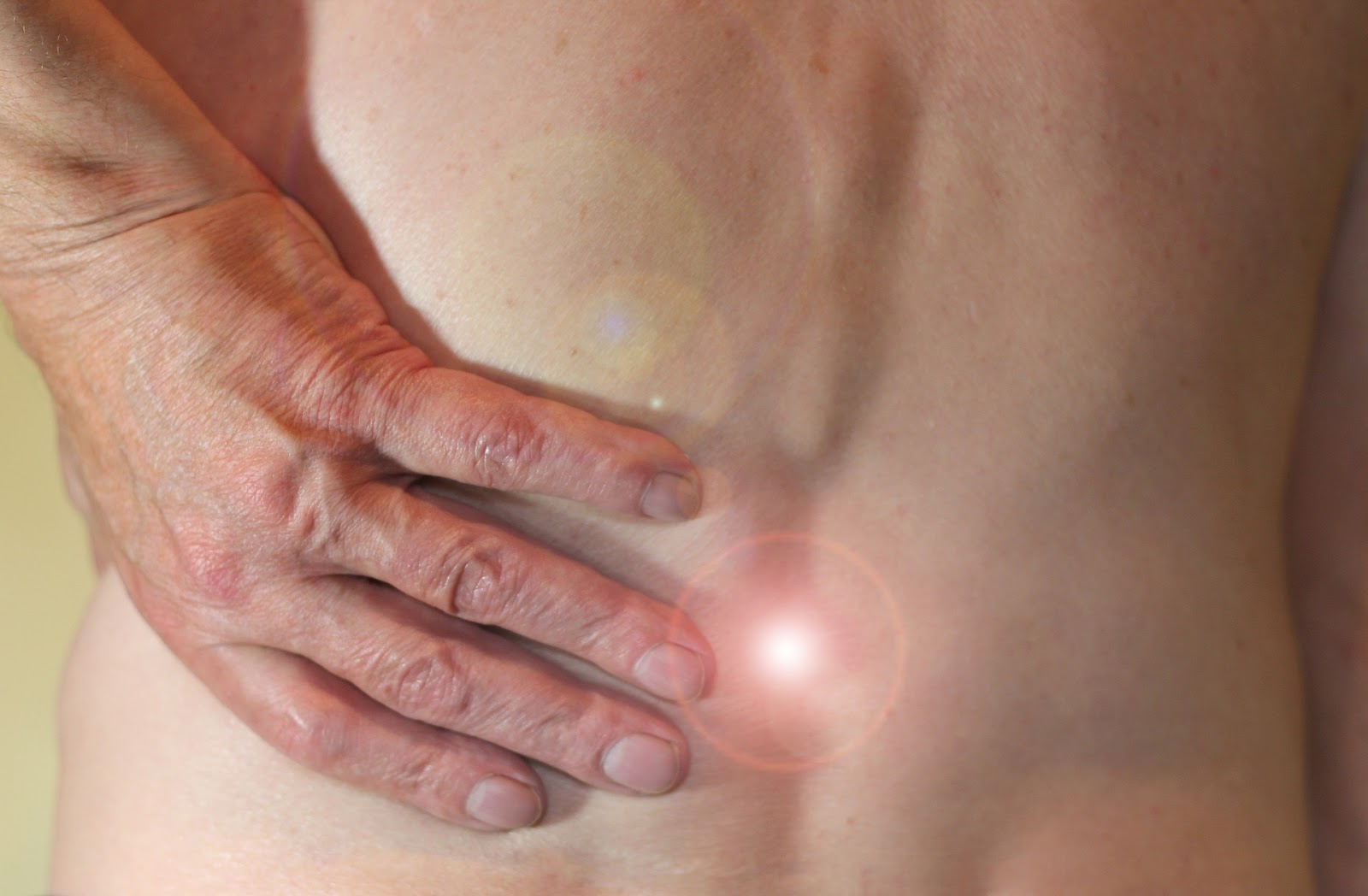


Based on your classification, Mount Sinai’s McKenzie Method therapists will tailor a treatment plans specifically for you that will involve a range of safe and effective exercises to do with your therapist at one of our Mount Sinai locations and some others for you to do on your own at home that will quickly set you on your way to a life of which you are in control, with less pain and greater bodily mobility and function. 

If you suffer from sciatica, arthritis or shooting pain in your shoulders, upper arms, hips or buttocks, intermittent pins and needles or numbness in your feet or hands, aching elbows or knees or you have difficulty bending down as a result of a stiff and painful lower back, the McKenzie Method might just be the treatment you have been looking for.

If you any of the pains or symptoms mentioned in this blog are similar to the ones you are experiencing, get in touch with us at (212) 241-6321 to see if the McKenzie Method is right for you.


Sunday, March 4, 2018

The PRICE We Pay for Playing Sports


Injuries can occur during sports even if we take all the preventative steps to shield ourselves from them. There are some steps we can take to minimize damage to an injury by following 5 steps after the impact and throughout rehabilitation – this procedure is an acronym: PRICE or RICE. Please note, this process works for relatively small tears and sprains - if you have sustained a serious injury you will need to go to the accident and emergency.

Protection

The P in Price stands for protection. After suffering a strain or localized damage during a sporting bout make sure you protect the area afterwards. Ensure no more harm comes to it and begin your recovery process immediately.


Protection usually becomes more relevant when the pain has ceased to be noticeable, but the area is still sensitive to damage. It is easy to forget about and therefore easily damaged again. Make sure to protect sensitive areas.


You can purchase area specific padding to protect damaged areas – for example – if you cycle to work and are recovering from serious knee damage – you should make sure you have a knee pad.

Rest

The R in Price stands for Rest. After sustaining damage to a ligament or joint you will need to stop aggravating the area - it is important to avoid activities that cause pain. Ideally, lie down in a comfortable position to minimize bleeding, swelling and further damage. Rest may also include the use of crutches, a protective brace, or tape/sling.


You should look to rest the damaged area as soon as possible after damage has occurred.

Ice

The I in Price stands for Ice. You should ice the injured area for 10-20 minutes every 2 hours. Use an ice pack or a makeshift “crushed-ice-in-tea-towel” to help reduce inflammation of the damaged area. Do not ice an area for extremely long lengths of time as inappropriate icing can sometimes make an injury worse rather than better.


The sooner after the impact you begin icing the better (and faster) your recovery will be.


Compression

The C in PRICE stands for Compression. After the incident you can use compression bandages to minimize swelling. If on applying compression you experience a change of colour, pins and needles, or any colour change in your extremities then the bandage is too tight, and you or the physio will need to loosen it. Ensure you remove the band before you go to sleep.


Elevation

The C in PRICE stands for Elevation. Immediately after the area has been iced and compressed you should raise the injured area above your heart – reducing blood flow to the damaged area – which minimizes bleeding and swelling. Ideally, you should elevate the limb whilst undergoing the rest of the procedure – but this can be tricky and prove to be more trouble than it’s worth.


You can continue to elevate the area in your day-to-day life to aid the limb in recovering.


PRICE is a reactionary therapy which seeks to minimize damage after impact or damage on small tears and sprains. As aforementioned, it is not a method to deal with serious damage such as a broken arm.


If you have suffered from a sports-related injury or would like to discuss a bespoke plan, please contact us at Mount Sinai Department of Rehabilitative Medicine. Contact our switchboard on: (212) 241-6321